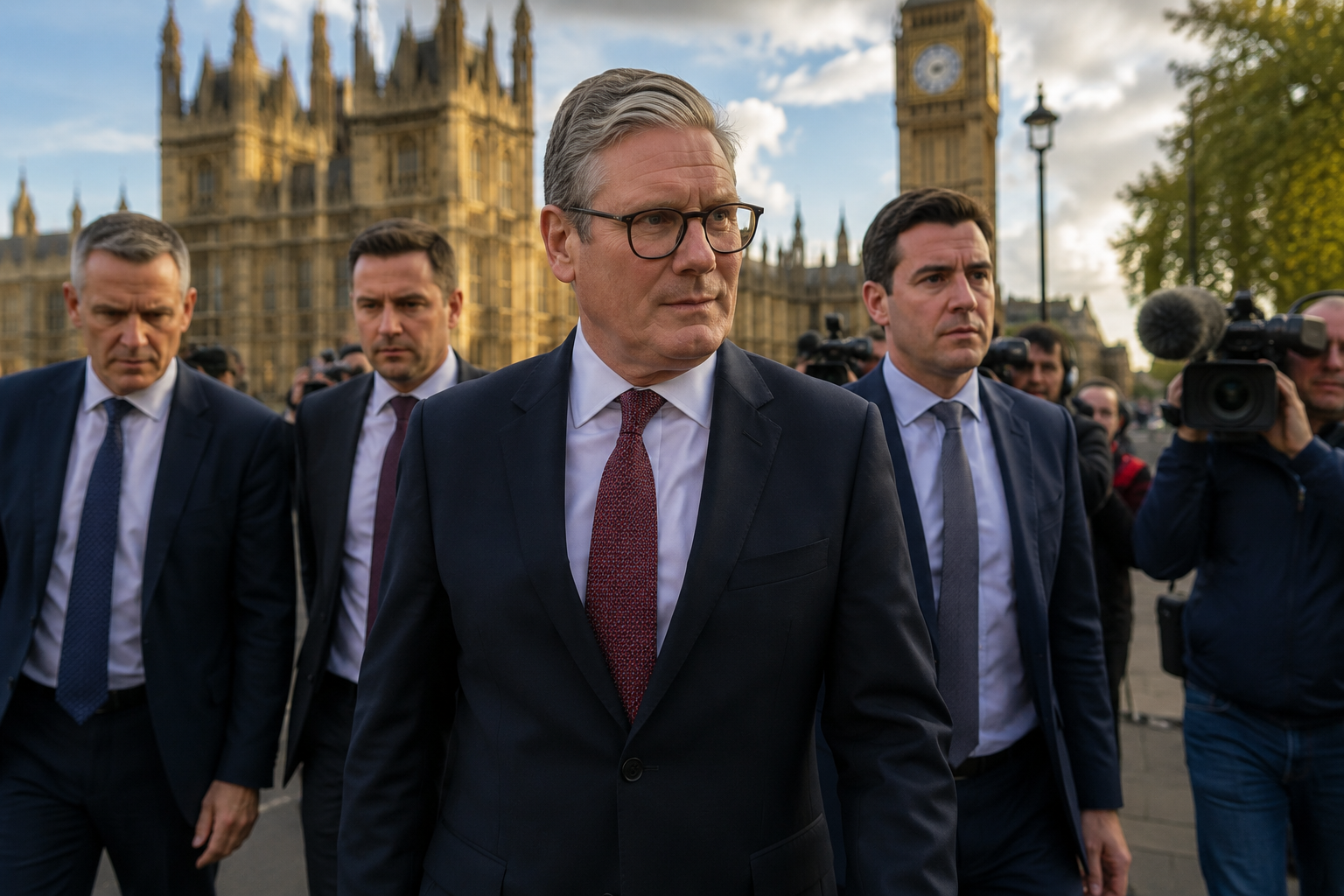

The Keir Starmer Resignation has become one of the biggest political stories in the United Kingdom this year. Less than two years after leading Labour to a historic election victory, Starmer announced that he would step down as prime minister following intense pressure from Labour MPs and senior party figures.
- Why Keir Starmer Decided to Step Down: Keir Starmer Resignation
- The Announcement That Changed UK Politics: Keir Starmer Resignation
- Andy Burnham Emerges as the Clear Favorite: Keir Starmer Resignation
- What Went Wrong for Starmer?
- How Labour’s Leadership Transition Will Work: Keir Starmer Resignation
- What Burnham Could Bring to Labour: Keir Starmer Resignation
- Challenges Facing the Next Prime Minister: Keir Starmer Resignation
- How Opposition Parties Have Responded
- What Happens Next?
- Final Thoughts
His departure marks a dramatic moment in British politics and opens the door for a new Labour leader to take control at a crucial time. With Andy Burnham now widely viewed as the favorite to succeed him, the political landscape could change significantly in the coming weeks.
The decision has sparked debate across the country about Labour’s future, the reasons behind Starmer’s downfall, and what comes next for the government.
Why Keir Starmer Decided to Step Down: Keir Starmer Resignation
The road to the Keir Starmer Resignation did not happen overnight.
For months, concerns had been growing inside the Labour Party. Following disappointing election results and increasing worries about Labour’s ability to compete against political rivals in the next general election, pressure on Starmer intensified.
Senior ministers and dozens of Labour MPs reportedly urged him to establish a timetable for leaving office. Eventually, those demands became impossible to ignore.
Starmer ultimately concluded that an orderly transition would be the best option for both the government and the party.
The Announcement That Changed UK Politics: Keir Starmer Resignation
An Emotional Departure
When Starmer confirmed his decision, the announcement immediately dominated political headlines.
The prime minister acknowledged that he would not be the person to lead Labour into the next national election and announced plans for a leadership transition.
The resignation carried particular significance because it came less than two years after Labour’s major election victory in 2024, which ended more than a decade of Conservative rule.
Setting a Timetable
Starmer stated that Labour’s National Executive Committee would establish a leadership timetable, with nominations expected to open on 9 July.
If a leadership contest is required, the process would continue during Parliament’s summer recess. However, if there is no serious challenge, the transition could happen much faster.
Andy Burnham Emerges as the Clear Favorite: Keir Starmer Resignation
One of the biggest consequences of the Keir Starmer Resignation is the rise of Andy Burnham.
Burnham’s Momentum
Burnham recently won the Makerfield by-election, a victory that significantly strengthened his position within Labour. The result gave him a seat in Parliament and boosted calls for him to take over the party leadership.
Many Labour MPs now see Burnham as the strongest candidate to challenge political opponents in future elections.
Support Inside Labour
Burnham’s path became even clearer after Wes Streeting announced he would not enter the leadership race and instead support Burnham’s campaign.
That endorsement dramatically reduced the chances of a competitive contest and increased expectations that Burnham could become prime minister as early as July.
What Went Wrong for Starmer?
The Keir Starmer Resignation has led many political observers to examine why his leadership collapsed so quickly.
Falling Public Support
Despite beginning his term with strong public backing, Starmer’s popularity declined over time.
Critics argued that his government struggled to develop a clear political message and failed to convince voters that it was delivering meaningful change.
As support weakened, pressure from within Labour increased.
Internal Party Frustrations
Many Labour MPs became concerned about the party’s electoral prospects.
After disappointing local election performances and growing concern about political rivals, some MPs believed Labour needed a new direction before the next national vote.
These concerns eventually turned into calls for leadership change.
How Labour’s Leadership Transition Will Work: Keir Starmer Resignation
Leadership Rules
Labour’s leadership process follows established party rules.
Following Starmer’s resignation, the party must organize a leadership contest or confirm a successor if only one candidate emerges with sufficient support.
The timeline announced by party officials is designed to ensure an orderly transfer of power.
Possibility of an Uncontested Handover
Several reports suggest Burnham may face little or no opposition.
If that happens, Labour could avoid a lengthy internal election and complete the transition relatively quickly.
That scenario would allow the government to focus on governing rather than internal party politics.
What Burnham Could Bring to Labour: Keir Starmer Resignation
Although Burnham has not yet presented a full policy agenda, he has already signaled his desire for a new political direction.
Focus on Change
After his by-election victory, Burnham described the moment as an opportunity to create a “new path for Britain.”
His supporters argue that he can reconnect Labour with voters who have become frustrated with traditional political approaches.
Economic and Regional Priorities
Reports indicate that Burnham may focus on economic reform and greater regional empowerment.
His political career has often emphasized the importance of communities outside London and the need to spread opportunities across the country.
These themes are expected to play a major role in his leadership message.
Challenges Facing the Next Prime Minister: Keir Starmer Resignation
Regardless of who takes over, the next Labour leader will face significant challenges.
Some of the biggest issues include:
- Sluggish economic growth
- Public dissatisfaction with politics
- Pressure from opposition parties
- Questions about government priorities
- Rebuilding voter confidence
These challenges contributed to the circumstances surrounding the Keir Starmer Resignation and will remain central issues for his successor.
The new leader will need to convince voters that Labour can deliver results while maintaining unity within the party.
How Opposition Parties Have Responded
The resignation immediately triggered reactions from political opponents.
Calls for a General Election
Some opposition figures argued that a new prime minister should seek a fresh mandate from voters.
However, Labour leaders have indicated that the focus remains on completing the leadership transition and continuing the government’s work.
Growing Political Competition
The rise of other parties has become a major factor in British politics.
Labour’s internal concerns were partly driven by fears that rivals could gain ground before the next election.
That reality will shape political strategy moving forward.
What Happens Next?
The coming weeks will determine the future direction of both Labour and the British government.
Key developments to watch include:
- Leadership nominations opening on 9 July.
- Potential confirmation of Andy Burnham as Labour leader.
- Cabinet appointments under new leadership.
- Economic policy announcements.
- Labour’s strategy for the next general election.
These events will influence British politics for years to come.
Final Thoughts
The Keir Starmer Resignation marks the end of a remarkable but turbulent chapter in modern British politics. After leading Labour to a historic election victory in 2024, Starmer ultimately stepped down amid mounting internal pressure and concerns about the party’s future.
Now attention has shifted toward Andy Burnham, who appears well-positioned to become Labour’s next leader and potentially the next prime minister. Whether he can unite the party and restore public confidence remains one of the biggest political questions in the United Kingdom today.
As Labour prepares for a new era, voters, political observers, and international partners will be watching closely to see how this leadership transition shapes the future of British politics.
Read Other Interesting news here: Iran US Talks