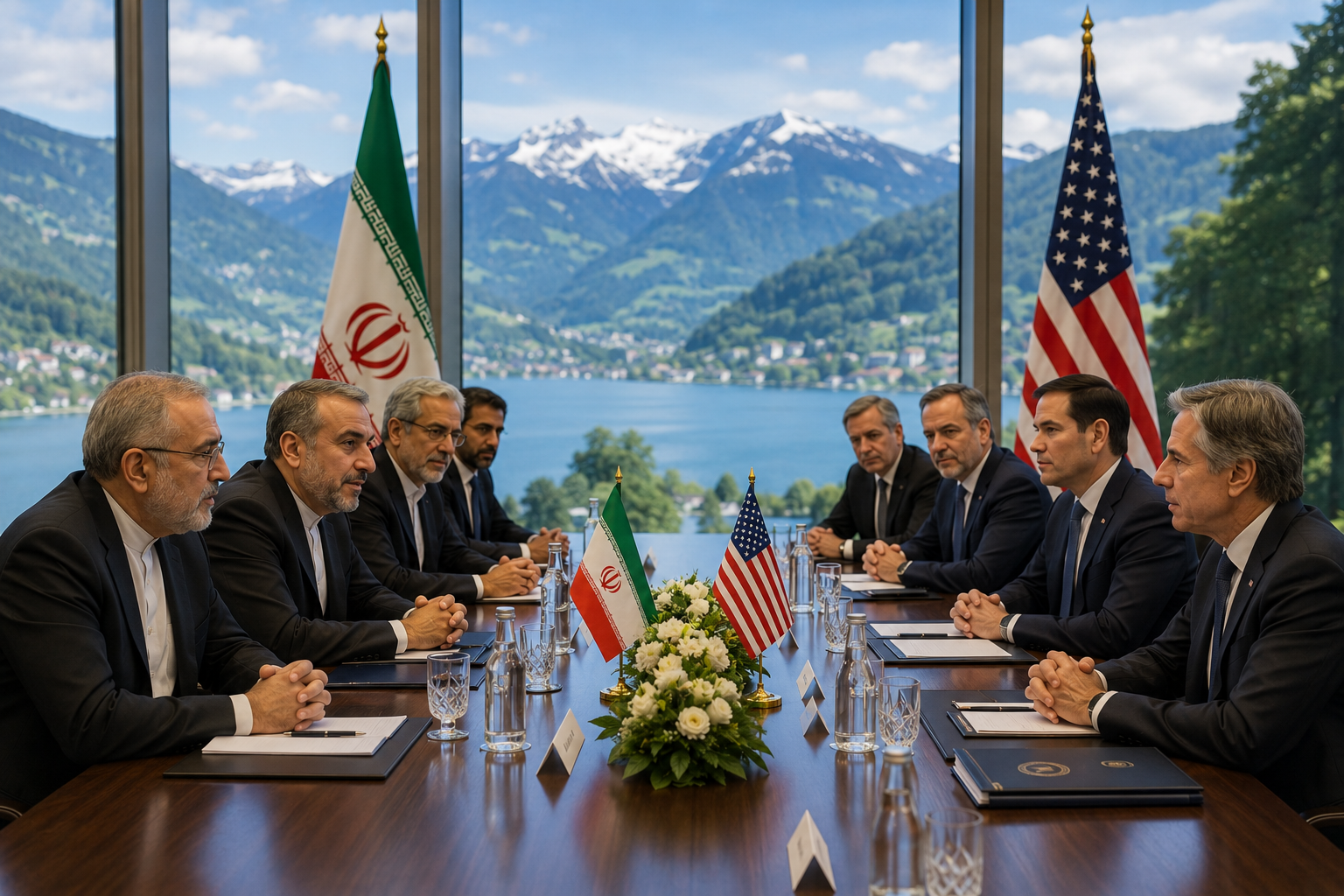

The latest Iran US Agreement discussions in Switzerland have become one of the most important diplomatic developments of 2026. After months of negotiations and growing international attention, representatives from Iran and the United States completed another round of talks that officials described as successful and constructive.
- Why the Iran US Agreement Matters: Iran US Agreement
- Successful Talks Mark a Turning Point
- A 60-Day Roadmap Creates Clear Direction
- New Oversight Mechanisms Will Support Progress
- Technical Negotiations Will Continue
- Pakistan’s Role in the Diplomatic Process
- Financial Markets React Positively
- Challenges Still Need to Be Addressed
- What Happens During the Next 60 Days?
- Why This Agreement Matters Globally
- Final Thoughts
The announcement came from Pakistan Prime Minister Shehbaz Sharif, who said the negotiations ended positively and produced meaningful progress toward a broader understanding between the two countries. His statement immediately attracted global attention because the talks are seen as a major effort to reduce tensions and create a framework for long-term stability.
While many details still need to be finalized, the successful conclusion of the talks has strengthened hopes that an eventual Iran US Agreement could become a reality. The discussions also produced several concrete outcomes that will shape the next stage of diplomacy.
Why the Iran US Agreement Matters: Iran US Agreement
The significance of the proposed Iran US Agreement extends far beyond the negotiating room.
Relations between Iran and the United States have influenced regional politics, international security, and global markets for decades. Because of this history, every diplomatic breakthrough attracts attention from governments, investors, and international organizations.
The Switzerland talks were particularly important because they focused on practical progress rather than symbolic gestures.
Instead of simply exchanging views, negotiators worked on a structured process designed to move discussions closer to a comprehensive agreement.
That approach helped create optimism among observers who have closely followed previous rounds of negotiations.
Successful Talks Mark a Turning Point
One of the biggest headlines from the meeting was the confirmation that the negotiations concluded successfully.
Positive Atmosphere During Discussions
According to Prime Minister Shehbaz Sharif, the talks were held in a constructive environment that allowed both sides to make meaningful progress.
Diplomatic negotiations often become difficult when trust is limited. However, reports from the discussions suggested that participants remained committed to finding common ground and continuing dialogue.
That willingness to engage is considered one of the most important achievements of the meeting.
Why Success Matters
A successful round of negotiations creates momentum.
When talks end positively, negotiators gain confidence, communication improves, and future meetings become easier to organize.
For supporters of diplomacy, this outcome represented a valuable step forward.
A 60-Day Roadmap Creates Clear Direction
The most significant result from the discussions was the creation of a structured roadmap.
A Defined Timeline
Negotiators agreed on a framework that aims to move toward a broader Iran US Agreement within 60 days.
This timeline provides a clear objective and helps prevent negotiations from losing momentum.
Without deadlines, diplomatic discussions can continue for years without producing meaningful results.
The new roadmap creates urgency while also giving negotiators enough time to address unresolved issues.
Why the Roadmap Is Important
The roadmap transforms broad diplomatic goals into a measurable process.
Instead of focusing on distant possibilities, negotiators now have a specific timeframe for reaching additional milestones.
This approach makes progress easier to track and encourages continued engagement from all parties involved.
New Oversight Mechanisms Will Support Progress
Another major development was the decision to establish stronger oversight structures.
High-Level Political Committee
Officials agreed to create a committee responsible for supervising future negotiations and monitoring progress.
This group will provide political guidance and help address challenges that emerge during upcoming discussions.
The committee’s role is expected to become increasingly important as negotiations move into more detailed phases.
Strengthening Accountability
Diplomatic agreements often require continuous supervision.
The new oversight mechanism creates a system that can keep discussions on track and ensure commitments are followed.
This additional layer of accountability could improve the chances of reaching a final agreement.
Technical Negotiations Will Continue
Although political leaders reached important understandings, many details still require further discussion.
That is why technical negotiations will continue during the next phase.
Areas of Focus
Technical teams are expected to work on:
- Verification procedures
- Implementation schedules
- Monitoring mechanisms
- Security arrangements
- Future diplomatic commitments
These discussions may not receive as much public attention as political meetings, but they are essential for building a workable agreement.
Turning Ideas Into Reality
Political agreements establish direction.
Technical negotiations determine how that direction is implemented.
Without technical planning, even the strongest political commitments can face serious obstacles.
The decision to continue these discussions demonstrates that both sides remain committed to making progress.
Pakistan’s Role in the Diplomatic Process
Pakistan played an important role in supporting the negotiations.
Shehbaz Sharif’s Involvement
Prime Minister Shehbaz Sharif publicly welcomed the outcome and highlighted the constructive nature of the talks.
His statement emphasized that the discussions ended successfully and created a positive foundation for future diplomacy.
This announcement helped reinforce confidence in the negotiation process.
Supporting Regional Stability
Pakistan has consistently supported efforts aimed at reducing tensions through dialogue.
Its involvement reflects a broader commitment to encouraging peaceful solutions and regional cooperation.
Many observers believe that international support can play an important role in maintaining diplomatic momentum.
Financial Markets React Positively
The impact of the developing Iran US Agreement was not limited to politics.
Financial markets also responded to reports of progress.
Improved Investor Sentiment
News that negotiations had concluded successfully helped improve confidence among investors in several Gulf markets.
Positive diplomatic developments often reduce uncertainty, making investors more comfortable with long-term planning.
As a result, markets closely monitored updates from Switzerland.
Why Markets Follow Diplomacy
Political stability influences economic activity.
When tensions decrease, businesses often gain greater confidence about investment opportunities and future growth.
That connection explains why diplomatic negotiations frequently affect market behavior.
Challenges Still Need to Be Addressed
Despite the encouraging progress, important obstacles remain.
Complex Issues Remain Unresolved
Negotiators still face difficult questions that require careful discussion.
While the talks produced meaningful progress, they did not resolve every issue.
Several technical and political matters will need additional attention during future meetings.
Maintaining Momentum
One of the biggest challenges in diplomacy is sustaining progress.
Initial breakthroughs can lose momentum if communication weakens or disagreements increase.
That is why the next phase of negotiations will be so important.
The newly established roadmap and oversight mechanisms are designed to reduce these risks.
What Happens During the Next 60 Days?
The coming weeks could determine the future of the proposed Iran US Agreement.
Continued Negotiations
Technical experts and political representatives are expected to continue discussions throughout the roadmap period.
Their goal will be to transform broad understandings into detailed agreements.
Oversight Committee Meetings
The newly established committee will monitor progress and help address emerging challenges.
Regular reviews are expected to keep negotiations aligned with agreed objectives.
Potential Diplomatic Breakthrough
If discussions continue positively, the current process could lead to one of the most significant diplomatic achievements of the year.
However, success will depend on sustained cooperation and effective communication.
Why This Agreement Matters Globally
The importance of a potential Iran US Agreement extends beyond the Middle East.
Regional Impact
Improved relations could contribute to greater stability across the region.
Governments, businesses, and citizens all benefit when diplomatic tensions decrease.
International Importance
Global markets, international organizations, and foreign governments are watching the negotiations closely.
A successful agreement could influence economic activity, geopolitical relationships, and future diplomatic efforts around the world.
That is why developments in Switzerland continue to attract widespread attention.
Final Thoughts
The latest negotiations have given new momentum to efforts aimed at achieving an Iran US Agreement. The successful conclusion of the Switzerland talks, the creation of a 60-day roadmap, and the decision to continue technical negotiations all represent meaningful progress.
While significant challenges remain, the discussions demonstrated that both sides are willing to continue pursuing diplomacy. The establishment of oversight mechanisms and structured timelines provides a stronger foundation for future negotiations.
The next 60 days will be critical. If negotiators can build on the progress achieved in Switzerland, the world could witness a major diplomatic breakthrough. For now, optimism remains cautious, but the path toward a broader agreement appears clearer than it has in months.
Read Other Interesting news here: Keir Starmer Resignation